
Lower energy bills
By reducing the amount of heat entering in summer and escaping in winter, your heater and air conditioner run less often. This directly cuts electricity and gas costs in Notting Hill’s climate of cold winters and hot summers.
Notting Hill
Bulk insulation traps still air in your ceiling, walls and floors to slow heat flow. Expert Insulation Melbourne installs glasswool, polyester and rockwool batts in Notting Hill homes to cut winter heat loss and summer heat gain.
Share your details and Expert Insulation Melbourne will contact you about Bulk Insulation in Notting Hill.
Bulk insulation uses materials like glasswool, polyester or rockwool batts to resist the flow of heat through your home. In Notting Hill’s brick veneer and weatherboard houses, it is fitted between ceiling joists, inside wall cavities and under suspended floors to reduce reliance on heating and cooling. The higher the R-value, the greater the thermal resistance, with ceilings commonly using R4. 0 to R6.
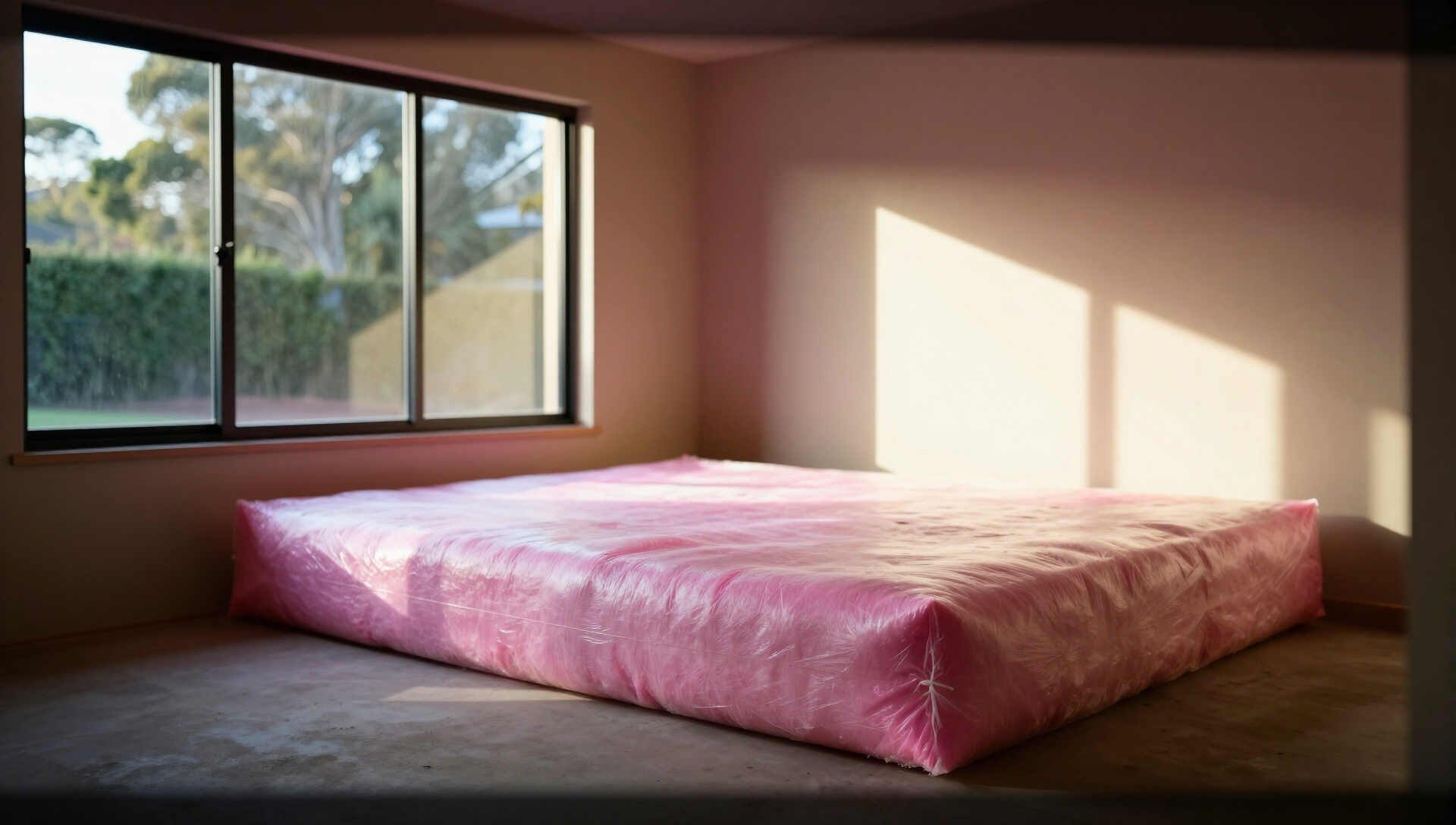
Notting Hill’s mix of older brick veneer and newer homes often lacks sufficient insulation, leading to cold winters and hot summers. Bulk insulation addresses this by slowing heat transfer through the building envelope.
By reducing the amount of heat entering in summer and escaping in winter, your heater and air conditioner run less often. This directly cuts electricity and gas costs in Notting Hill’s climate of cold winters and hot summers.
Bulk insulation evens out temperature swings, so living areas stay warmer in winter and cooler in summer without constant adjustments to your heating or cooling system.
Dense batts absorb airborne noise, making intertenancy walls and external walls quieter in Notting Hill’s suburban streets with traffic and neighbours.
Properly installed bulk insulation helps manage moisture by reducing temperature differences that cause condensation on windows and in roof spaces.
Quality batts retain their thickness and R-value for decades if kept dry and undisturbed, unlike old compressed batts that lose effectiveness over time.
Bulk insulation can be added to most Notting Hill homes without major renovations, fitted into ceiling spaces, wall cavities during renovations and under floors with sufficient crawl space.
Installation follows a clear process to ensure full coverage and no gaps. Access, safety and correct placement are checked at every step.
We assess your roof space, wall cavities or subfloor to confirm access, existing insulation, electrical cables, downlights and any signs of moisture or pests. Measurements determine the quantity and R-value of batts required.
Old, compressed or damaged batts are removed if needed. Ceiling dust is vacuumed to provide a clean surface. We check for asbestos and stop work if suspected, requiring a qualified assessor before proceeding.
Batts are cut to fit snugly between joists, studs or floor joists without compression, which reduces R-value. Clearances are maintained around downlights, flues and other heat sources as required by Australian standards.
We verify full coverage with no gaps or compression, and that all access points are properly sealed. Any removed materials are disposed of, and the site is left clean.
Notting Hill’s mix of 1960s to 1990s brick veneer and newer estates often have under-insulated ceilings and walls. Melbourne’s cold winters and hot summers mean these homes lose heat quickly in winter and overheat in summer without proper bulk insulation. Adding batts to ceilings, walls during renovations and under suspended floors improves comfort and reduces energy use.
Reduce heat loss and gain with bulk insulation installed in Notting Hill ceilings, walls and floors.
Homeowners in Notting Hill often ask about suitability, R-values and installation practicalities for their property type.
Bulk insulation in Notting Hill slows the transfer of heat through ceilings, walls and floors using materials like glasswool, polyester or rockwool batts. These products trap still air, providing thermal resistance measured by R-value. In Melbourne’s climate, ceilings typically use R4.0 to R6.0, walls R2.0 to R2.7 and underfloors R1.5 to R2.5 to balance winter heat retention and summer heat rejection.
Notting Hill’s brick veneer and weatherboard homes often lack adequate insulation, leading to high heating and cooling costs. Bulk insulation addresses this by reducing heat flow through the building envelope. It is installed between ceiling joists, inside wall cavities during construction or renovations, and under suspended timber floors where crawl space allows. Proper installation avoids compression and maintains clearances around downlights and flues.
Signs your Notting Hill home needs bulk insulation include cold floors in winter, overheating in summer, high energy bills and draughts. An inspection will reveal thin or compressed batts, gaps in coverage or missing insulation in walls and underfloors. Expert Insulation Melbourne provides bulk insulation installation in Notting Hill, ensuring correct product selection and placement for long-term performance.
Call Expert Insulation Melbourne on 0399695249 or email info@expertinsulationmelbourne. com. au to discuss bulk insulation for your Notting Hill home.