
Warmer floors in winter
Insulating the subfloor prevents cold air from rising through the floorboards, making rooms feel warmer at floor level. This is especially noticeable in living areas and bedrooms directly above the subfloor.
Notting Hill
Underfloor insulation in Notting Hill eliminates cold floors and draughts by installing batts between joists in the subfloor. Suitable for suspended timber floors with adequate crawl space, it keeps homes warmer in winter and reduces heating costs.
Share your details and Expert Insulation Melbourne will contact you about Underfloor Insulation in Notting Hill.
Underfloor insulation in Notting Hill is installed beneath suspended timber floors to block cold air rising through gaps in the floorboards. Batts of glasswool, polyester or rockwool are fitted between the floor joists in the subfloor, creating a thermal barrier that reduces heat loss and stops draughts. This is a practical solution for many Notting Hill homes with raised floors and a crawl space of at least 400 to 600 millimetres.
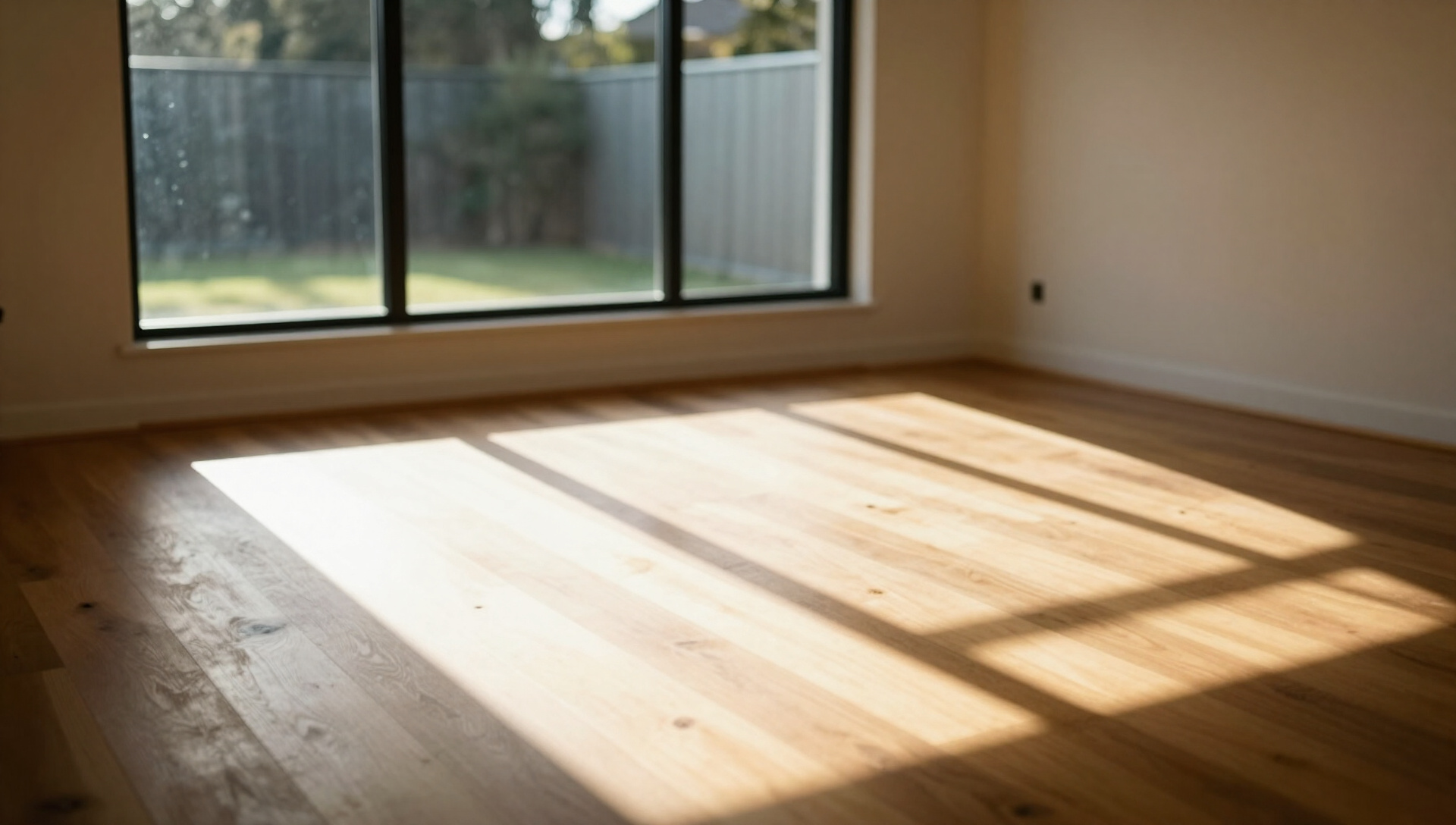
Notting Hill’s cold winters make uninsulated floors a major source of discomfort and high heating bills. Underfloor insulation addresses this by sealing the subfloor against cold air and improving thermal performance throughout the home.
Insulating the subfloor prevents cold air from rising through the floorboards, making rooms feel warmer at floor level. This is especially noticeable in living areas and bedrooms directly above the subfloor.
By minimising heat loss through the floor, your heating system works less to maintain a comfortable temperature. This can lead to lower energy bills over the colder months.
Gaps between floorboards and around skirting allow cold air to enter the home. Underfloor insulation blocks these draughts, improving overall comfort and air quality.
While the main benefit is winter warmth, underfloor insulation also helps moderate temperatures in summer by reducing heat gain through the floor from the subfloor space.
Properly installed underfloor batts include a vapour barrier to reduce moisture buildup in the subfloor, which can prevent mould and structural issues over time.
Quality underfloor batts maintain their thickness and R-value for decades when installed correctly, with no sagging or compression that reduces effectiveness.
Installing underfloor insulation in Notting Hill requires access to the subfloor, usually through a crawl space or by lifting sections of flooring. The process is straightforward for experienced installers and typically takes a few hours, depending on the size of the area.
The installer checks the subfloor for adequate crawl space, structural soundness and any existing insulation. Access points are identified, and the area is prepared to ensure safe and efficient installation.
Batts are measured to fit snugly between the floor joists without compression, which would reduce their R-value. The material is cut to the exact width of the joist spacing for a friction fit that holds the batts in place.
A vapour barrier is laid first if moisture control is needed. Batts are then placed between the joists, ensuring full coverage with no gaps. The installer works systematically across the subfloor to maintain consistent thermal performance.
Any gaps around pipes, cables or joists are sealed to prevent air leakage. The installer checks that all batts are securely in place and that the subfloor is left clean and free of debris.
Notting Hill’s mix of older and newer homes often includes suspended timber floors that benefit from underfloor insulation. Many properties in the area have sufficient crawl space for installation, making it a practical upgrade for improving comfort and energy efficiency. Nearby suburbs like Clayton and Oakleigh also share similar housing styles where underfloor insulation delivers noticeable improvements.
Stop cold floors and draughts with underfloor insulation installed under suspended floors in Notting Hill.
Homeowners in Notting Hill often have questions about how underfloor insulation works, what it costs and whether it’s suitable for their home. Here are the most common queries.
Underfloor insulation in Notting Hill is a proven way to improve thermal comfort and reduce energy costs for homes with suspended timber floors. By installing batts between the floor joists in the subfloor, cold air is blocked from entering the living space, eliminating draughts and cold floors. This is particularly effective in Notting Hill, where winter temperatures can drop low enough to make uninsulated floors uncomfortably cold.
The installation process for underfloor insulation in Notting Hill begins with a subfloor inspection to confirm adequate crawl space and structural integrity. Batts made from glasswool, polyester or rockwool are then cut to fit snugly between the joists, ensuring no gaps that could allow air leakage. A vapour barrier may also be included to manage moisture in the subfloor, which is important for preventing mould and maintaining the insulation’s performance over time.
Costs for underfloor insulation in Notting Hill depend on factors such as the size of the area, the chosen R-value and the ease of access to the subfloor. Homes with limited crawl space or obstacles like pipes and cables may require additional time and care during installation. However, the long-term savings on heating bills and the immediate improvement in comfort make it a worthwhile investment for many Notting Hill homeowners.
Improve comfort and reduce heating costs with underfloor insulation installed by Expert Insulation Melbourne. We service Notting Hill and surrounding areas with reliable, professional installation.